Imagine sipping tea with a militant Muslim and listening to how he set off a series of bombs in a crowded marketplace, trying to kill as many people as possible. Next time on To the Best of Our Knowledge, an anthropologist describes her visit to a militant training camp in Pakistan. ...Read more

Intelligent. Optimistic. Curious.
Episode Archives

Say the name "Robert Krulwich" and hard-core public radio listeners start smiling. These days Robert does a lot of science journalism, even though he admits he's no expert. He believes everyone's interested, even though they think it's too hard for them. In this hour of To the Best of Our...Read more
Life’s a sim and then you’re deleted. We always thought the computers would get us one day. Maybe they already have. According to one philosopher, odds are we’re already living the Matrix as mere programs in a computer simulation. In this hour of To the Best of Our...Read more

China Mieville’s new novel, “Embassytown,” features sentient beings famous for their unique language and a woman who’s a living simile. Ursula K. LeGuin says that “Embassytown” is “a fully-achieved work of art.” We’ll meet China Mieville, as we explore the language of science fiction. Also...Read more

Prominent Evangelical leaders are divided on the subject of Donald Trump and some have gone so far as to say the soul of their movement is at stake. This week we talk about the perennial tension between faith and politics,and the evolution of the Religious Right -- the movement that shaped the...Read more
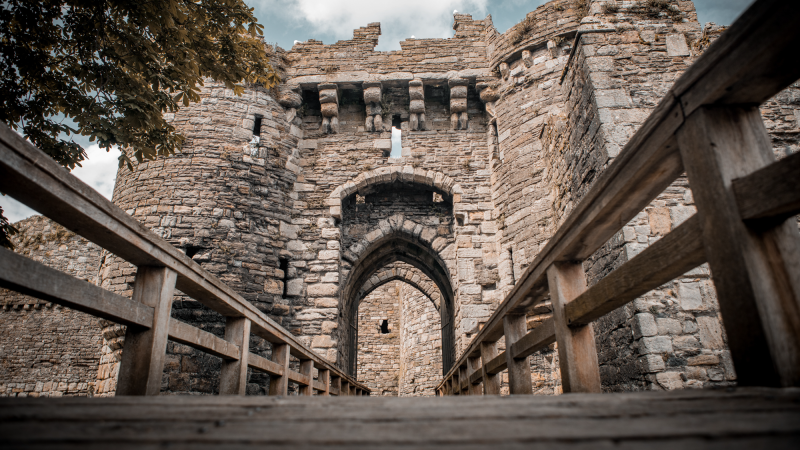
Another season of HBO's "Game of Thrones" is beginning, and the History Channel's "Vikings" is racking up ratings. Why are we so interested in the Middle Ages?Read more
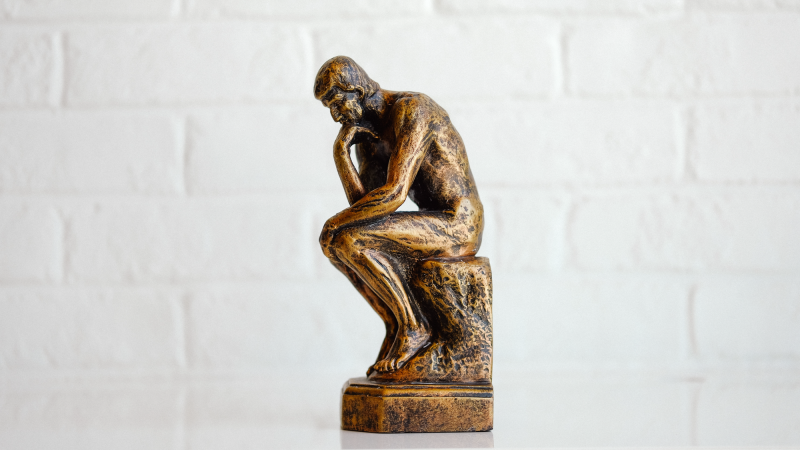
Thoughts about thinking, including Daniel Goleman on "Emotional Intelligence" and Daniel Kahneman on "Thinking, Fast and Slow."Read more
We all have our good days and our bad days, but chances are they’re nothing like what Andy Behrman has experienced. Behrman would fly from Zurich to the Bahamas and back in three days to balance hot and cold weather. On the bad days, he’d experience tornado-like rages of depression. In this...Read more
Most of us think in words, but not Temple Grandin. She thinks in pictures. Grandin is autistic, and visual thinking is common among people with autism. In this hour of To the Best of Our Knowledge, Temple Grandin talks about how thinking in pictures has helped her help animals. Also, mark...Read more
Fashion photographer David Jay recently sent us a book of his photos. The lighting was perfect, the settings intimate. The women, nearly naked, were gorgeous. Taking in the beautiful images, something stood out – the mastectomy scars.Read more
Photographers capture heartache and agony. What does it mean for them? And what does it mean for us, those viewing the photos? Do these images create empathy? Compassion? Or something else?Read more
Every person on earth is unique and special, but some people – maybe one in a hundred – are autistic. In this hour of To the Best of Our Knowledge we get to know a few autistic people with Asperger's Syndrome. We'll hear what it's like to try to live in the world when you have visionary...Read more
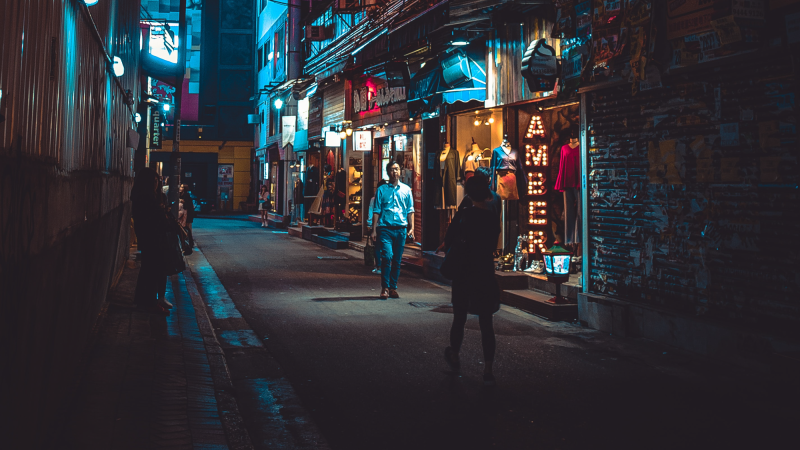
Oh, city living. The crush of people, the crowd of buildings, the empty lots, the garbage-strewn slums.
More than half of us will be living urban by 2050. How will we manage?Read more
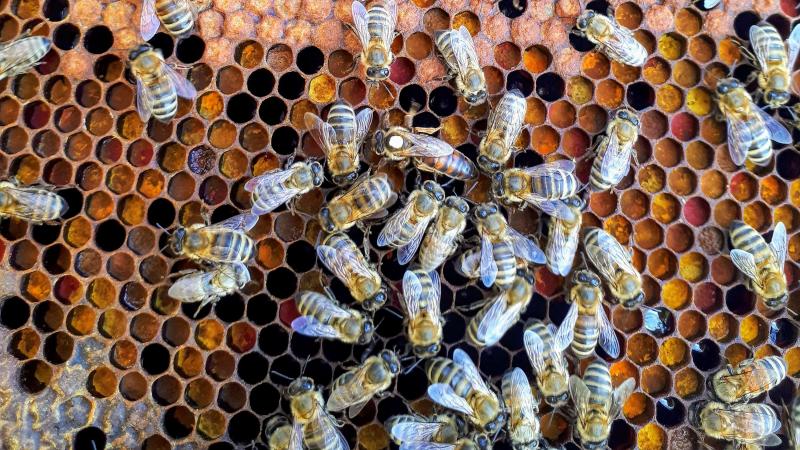
Bees are responsible for forty percent of the food we put in our mouths. It sounds astonishing, but without bees, we could find ourselves facing food shortages and a collapse of the green and flowered world. In this hour of To the Best of Our Knowledge, a peek inside the world...Read more
There are many ways to live dangerously. Sure, you can take part in a death defying feat like skydiving, but living dangerously also sometimes involves taking intellectual risks, opening up, and being honest with yourself. To the Best of Our Knowledge recently travelled to Salt Lake City to...Read more

Even now, the oceans of the world are terra incognita. We’ve explored only 5-10 percent of them on a planet mostly comprised of water. What we’re missing couldsurprise us. This hour, we explore the mysteries of the deep. We’ll hear about the oceans’ oddest creatures...Read more
Turning thirty used to be embarrassing, an occasion for angst and misery. Today young adults are embracing thirty as cause for celebration. They’re renting yachts, giving speeches and spending thousands of dollars to celebrate the big three-oh. In this hour of To the Best of...Read more
Maybe it hits you the first time you get a mailing from AARP – all of a sudden, getting older isn't just about other people. In this hour of To the Best of Our Knowledge we spend time with some people who've chosen to face the rest of their lives in some unusual ways. Poker columnist James...Read more

“Let me not to the marriage of true minds admit impediments...” “Because I could not stop for death…”
First lines. Classic poems. But poetry’s no anachronism. It’s pulsing and swelling and beating new rhythms.
From online verse to the new US Poet Laureate, from poetry...Read more
Forty years ago the streets of Chicago exploded as police clashed with anti-war protesters at the Democratic National Convention. It's one of the momentous events that defined the Sixties. Or is it? Some historians now say the rise of the conservative movement is what truly made history in the...Read more
Attention all readers of fiction! This is something you really want to hear. To the Best of Our Knowledge devotes itself to some of the great reads of the last year. Colum McCann talks about his National Book Award-winning novel, and we'll hear from fellow finalist Jayne Anne Phillips. We'll...Read more
Lilydale, New York isn’t your average small town. In Lilydale, people say ghosts walk the streets and the neighbors can talk to the dead. No, this is not fiction. 20-thousand visitors a year travel to Lilydale to consult the largest community of mediums in the world. Is it all a gigantic...Read more
Has the news of government surveillance gotten you thinking that Big Brother is watching? What can we do to protect our information, online and in the real world? We examine privacy - what it means and how it's changing.Read more
Rising sea levels, brutal storms and droughts, record temperatures...is there anything we can do about climate change? As world leaders gather at the Paris Climate Summit, we consider a range of proposals - from geoengineering and new green technology to a post-carbon economy. Read more